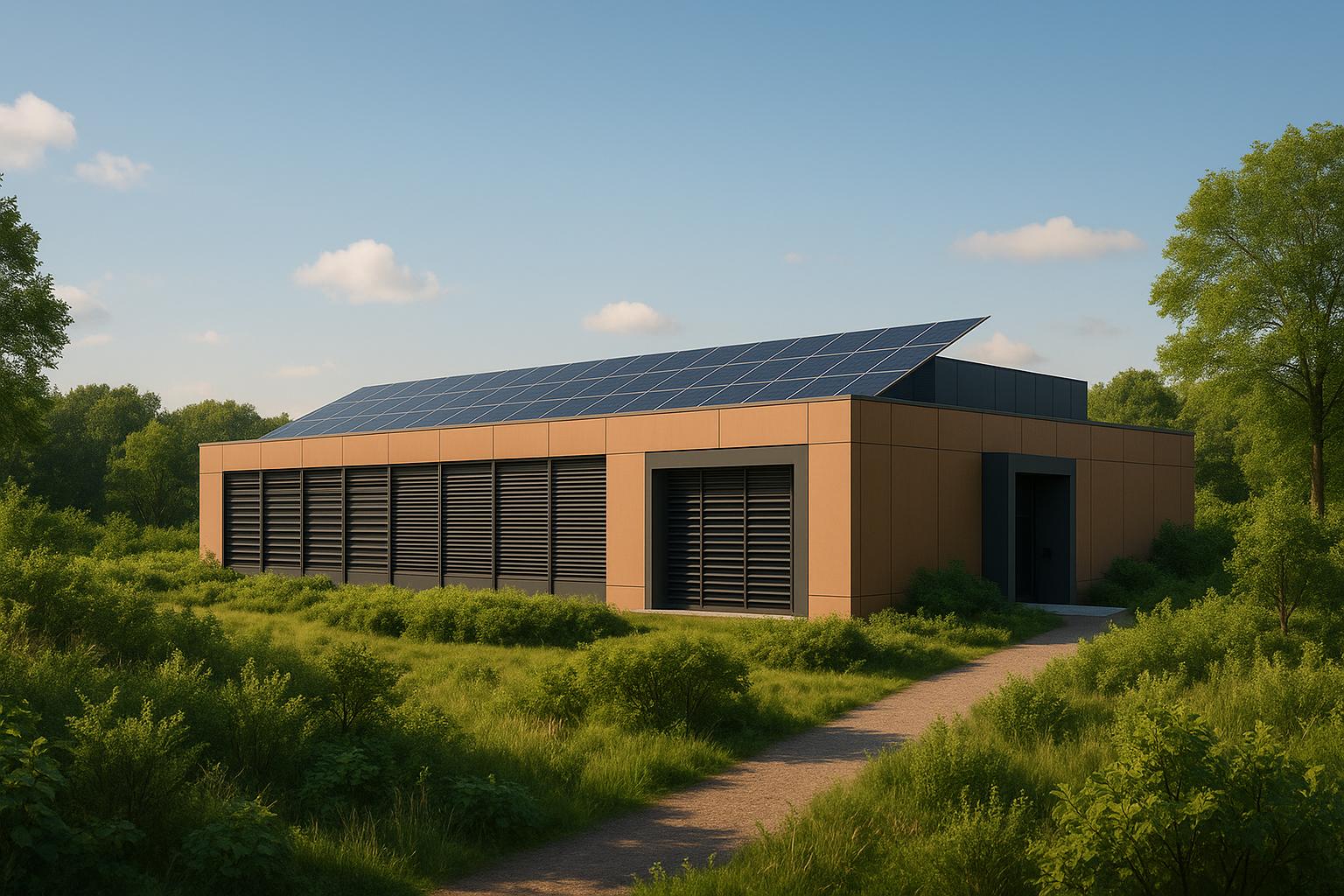
Microsoft’s Zero-Water Cooling: Lessons for Data Centers

Microsoft’s new zero-water cooling system could save 33 million gallons of water per data center annually.
Munters and ZutaCore waterless direct-to-chip data center cooling
Value Summary:
Microsoft has developed a zero-water cooling system that eliminates water evaporation by using chip-level cooling and closed-loop technology. This approach conserves water, improves energy efficiency, and reduces environmental strain – especially in water-scarce regions like Arizona. By 2027, Microsoft aims to make this the standard cooling method across all its data centers.
Key Benefits:
- Water Conservation: Saves 33 million gallons of water per facility each year.
- Energy Efficiency: Reduces power consumption by 15–20% over a data center’s lifetime.
- Environmental Impact: Eases pressure on water resources and lowers greenhouse gas emissions by up to 21%.
- Implementation: Focused on new facilities to balance upfront costs with long-term savings.
Quick Comparison:
| Cooling Method | Water Usage | Energy Efficiency | Environmental Impact | Implementation Cost |
|---|---|---|---|---|
| Zero-Water Cooling | Near-zero | High | Minimal impact on water | High |
| Evaporative Cooling | High (0.48 gal/kWh) | Moderate | Strains local water | Moderate |
| Closed-Loop Cooling | Low (initial fill) | Consistent | Reduces chemical use | Higher upfront |
Bridge:
Microsoft’s zero-water cooling system sets a new benchmark for sustainable data center operations, but how does it compare to other cooling methods? Let’s dive deeper into the details.
1. Microsoft’s Zero-Water Cooling
Microsoft has introduced a groundbreaking cooling technology for its data centers called zero-water cooling. This system uses a closed-loop design that continuously recycles water without any evaporation. By combining chip-level cooling with advanced liquid cooling methods, it keeps servers at the right temperature while completely eliminating water waste.
Currently, Microsoft is testing this system at new construction sites in Phoenix, Arizona, and Mt. Pleasant, Wisconsin, with operations expected to start in 2026. By late 2027, the company plans to make zero-water evaporation the standard cooling method across its data centers. Below, we’ll explore its impact on water usage, energy efficiency, environmental benefits, and implementation costs.
Water Usage
The zero-water cooling system earns its name by removing the need for water evaporation entirely. Once the system is filled during construction, the same water circulates indefinitely between the servers and chillers, with no need for replacement.
This design has a massive impact on water conservation. Each data center using this system is projected to save 33 million gallons of water annually – the same amount Microsoft’s data centers currently consume per facility in a year. Essentially, this technology could eliminate water usage for cooling purposes altogether.
Energy Efficiency
In addition to saving water, Microsoft’s system improves energy efficiency by allowing data centers to operate at higher temperatures. This makes it possible to use more energy-efficient chillers, reducing overall power consumption.
Switching from traditional air cooling to liquid cooling methods like cold plates can cut energy use by 15 to 20 percent over a data center’s lifetime. On top of that, greenhouse gas emissions could drop by 15 to 21 percent, all while maintaining consistent cooling performance.
Microsoft is also experimenting with high-efficiency economizing chillers that operate at elevated water temperatures. These advanced chillers help counter any potential increases in Power Usage Effectiveness (PUE) that might occur when moving away from evaporative cooling systems.
Environmental Impact
The environmental benefits of zero-water cooling go beyond saving water and energy. This technology tackles concerns about the strain data centers place on local water supplies, especially in areas like Arizona, where water resources are already limited.
"Protecting local watersheds is an important part of our data community pledge, and we are committed to making a positive impact on the communities in which we operate", says Steve Solomon.
The scale of these benefits becomes clear when you consider that a single hyperscale data center using traditional cooling methods can consume up to 396,000 gallons of water daily. By eliminating this demand, Microsoft’s system significantly eases pressure on local water supplies. Compared to air cooling systems, it can reduce overall water consumption by 31 to 52 percent, making it a game-changer for regions facing water scarcity.
Implementation Cost
Microsoft hasn’t shared exact costs for implementing its zero-water cooling system, but it’s clear that the technology requires a substantial upfront investment. Key components like chip-level cooling infrastructure and closed-loop systems add to the complexity and expense. The system involves direct liquid cooling at the processor level and intricate water circulation mechanisms, which demand precise engineering.
Challenges include ensuring reliable chip-level cooling, managing potential risks to server hardware from liquid systems, and addressing the energy needs of the cooling infrastructure itself. However, the long-term savings from reduced water usage and improved energy efficiency can help offset these initial costs.
To keep expenses manageable, Microsoft is focusing on incorporating zero-water cooling into newly built data centers rather than retrofitting existing ones. By designing facilities with this system from the start, the company can better control costs while prioritizing sustainability for future operations. This approach underscores the importance of balancing upfront investments with long-term savings and environmental benefits when planning modern data center cooling solutions.
2. Standard Evaporative Cooling
Standard evaporative cooling works by lowering water temperatures through evaporation inside cooling towers. Here’s how it functions: heated water is sprayed over fill material while fans draw air through the system. This process causes some of the water to evaporate, cooling the remaining water, which is then recirculated.
"Evaporative cooling towers harness the natural power of evaporative cooling to reduce the temperature of water used in industrial processes and in commercial HVAC comfort cooling systems."
Water Usage
One of the biggest challenges with standard evaporative cooling is its high water consumption, which can strain local water resources. Hyperscale data centers, for instance, might use as much as 1.5 million liters of water daily. Even smaller wholesale facilities can consume about 18,000 gallons (68,100 liters) each day.
Since this cooling method depends on the evaporation process to remove heat, water must be continuously replenished to keep the system running efficiently. This constant demand becomes even more problematic in arid areas, such as Arizona, where companies like Microsoft are exploring zero-water alternatives.
Energy Efficiency
While it uses a lot of water, standard evaporative cooling is highly energy-efficient when compared to air-only cooling systems. This method can reject the same amount of heat while consuming much less electricity. For example, indirect evaporative cooling (IEC) systems can save up to 28% of the energy used by free cooling systems and up to 52% compared to air cooling. In summer, these systems can reduce ambient temperatures by 10–15°F (6–8°C), making them especially effective in hot climates.
This efficiency is largely due to water’s superior ability to transfer heat compared to air. However, in humid environments, direct evaporative cooling can raise relative humidity to around 80%. This increase in moisture can lead to equipment degradation and create conditions that promote microorganism growth, posing additional challenges.
Environmental Impact
Standard evaporative cooling is a trade-off between energy savings and water consumption. On one hand, it uses less electricity than air-only cooling systems, which can reduce greenhouse gas emissions, particularly in areas that rely on fossil fuels for power generation. On the other hand, the significant water loss through evaporation places a strain on local water supplies, especially in water-scarce regions. In such areas, data centers may find themselves competing with residential and agricultural needs for this limited resource. Once water evaporates, it is permanently removed from the local watershed, adding to the environmental concerns.
Implementation Cost
From a cost perspective, standard evaporative cooling systems are relatively affordable compared to more advanced cooling technologies. They rely on well-known components like cooling towers, pumps, fans, and distribution systems, which are widely available and familiar to technicians. This cost-effectiveness has made them a popular choice for many data center operators. For example, as of 2023, Equinix – one of the largest data center operators globally – uses evaporative cooling in 40% of its facilities. This widespread adoption highlights the balance between reasonable implementation costs and dependable cooling performance.
The next section will delve into closed-loop cooling systems to provide a clearer comparison.
sbb-itb-59e1987
3. Closed-Loop Cooling Systems
Closed-loop cooling systems strike a balance between traditional evaporative cooling methods and Microsoft’s zero-water cooling innovations. These systems operate by continuously circulating a fixed volume of fluid in a sealed loop. The fluid absorbs heat from servers and equipment and then releases it through external radiators or heat exchangers. Unlike evaporative cooling, closed-loop systems keep the water contained, eliminating evaporation, drift, and blowdown.
In August 2024, Microsoft took this concept further by introducing data centers specifically designed for AI workloads, featuring zero water evaporation cooling systems.
Water Usage
One of the standout features of closed-loop systems is their ability to conserve water. Unlike evaporative systems that require a constant water supply, closed-loop designs only need an initial fill during setup. By keeping the water within the system, these designs dramatically reduce water consumption. Microsoft’s data centers highlight this efficiency, achieving a Water Usage Effectiveness (WUE) of 0.30 L/kWh in the last fiscal year. This represents a 39% improvement compared to the 0.49 L/kWh reported in 2021 and an impressive 80% improvement since their earliest data center models.
Energy Efficiency
Closed-loop systems don’t just save water; they also streamline energy usage. By reducing the pumping load and keeping heat transfer surfaces clean, these systems ensure consistent energy performance. They require less energy for pumping and maintain efficient heat transfer over time, making them a reliable choice for predictable energy use.
However, there are some trade-offs. While dry cooling systems eliminate water usage entirely, they tend to consume more energy. Microsoft’s solution to this challenge includes high-efficiency chillers and chip-level cooling, which help manage potential increases in Power Usage Effectiveness (PUE).
Implementation Cost
The upfront costs of closed-loop systems are higher than those of traditional evaporative cooling systems, largely due to the need for specialized heat exchangers and pumps. However, these costs are offset by long-term operational savings. Maintenance expenses are lower, and the systems offer flexibility in installation. For example, heat rejection equipment can be placed more freely around the facility without requiring hydraulic balancing. This flexibility and reduced maintenance contribute to the system’s long-term operational benefits.
Environmental Impact
The environmental advantages of closed-loop cooling go well beyond water conservation. Liquid cooling systems, including closed-loop designs, have the potential to cut greenhouse gas emissions by 15% to 82%, depending on how they are implemented. By preventing water evaporation, these systems ease the demand on local water supplies. Additionally, they reduce the need for chemical treatments, which lowers the environmental risks tied to chemical disposal and handling. While these benefits are significant, careful planning is crucial. Factors like the chemical composition of cooling fluids, disposal methods, and regulatory compliance must be thoroughly evaluated to fully capitalize on the environmental benefits of these systems.
Advantages and Disadvantages
Let’s dive into how the different cooling methods stack up in terms of benefits and challenges. Each approach comes with its own set of trade-offs, influencing operational efficiency, environmental considerations, and budgetary priorities.
Microsoft’s zero-water cooling stands out by eliminating freshwater usage through chip-level cooling. This method is a game-changer for addressing water scarcity, especially since some data centers consume millions of gallons daily. However, the catch lies in its steep upfront costs and the need for significant infrastructure upgrades. Additionally, the system’s energy efficiency depends heavily on the power source, and the complexity of chip-level cooling can lead to higher maintenance demands and potential downtime.
Standard evaporative cooling has long been a reliable and cost-effective choice. These systems use 60–75% less electricity compared to traditional refrigerant-based air conditioning. But there’s a downside: they consume about 0.48 gallons of water per kilowatt-hour, with 30–40% lost through evaporation. In humid climates, their efficiency drops, and they can strain local water resources while potentially introducing contaminants into the environment.
Closed-loop cooling systems offer a middle ground, prioritizing water conservation without sacrificing reliability. Once filled, these systems avoid ongoing water loss and maintain consistent energy efficiency thanks to clean heat transfer surfaces. They also come with lower maintenance costs compared to evaporative systems. However, the initial investment for specialized equipment can be high, and improper optimization may lead to increased energy consumption.
It’s worth noting that water is an incredibly effective heat conductor – up to 1,000 times more efficient than air – making liquid-based cooling systems particularly appealing in certain scenarios.
| Cooling Method | Water Usage | Energy Efficiency | Implementation Cost | Environmental Impact |
|---|---|---|---|---|
| Microsoft’s Zero-Water | Near-zero Water Usage Effectiveness (WUE) | High (depends on energy source) | High (chip-level cooling required) | Minimal impact on local watersheds |
| Standard Evaporative | High (approx. 0.48 gal/kWh) | 60–75% less energy than traditional AC | Moderate initial investment | Can strain local water resources |
| Closed-Loop | Low (initial fill only) | Consistent, predictable performance | Higher upfront, lower maintenance | Reduced reliance on chemical treatments |
Choosing the right cooling system depends on several factors, including location, water availability, energy costs, and regulatory requirements. For instance, data centers in drought-prone areas might lean toward zero-water or closed-loop systems, while facilities in water-rich regions with lower energy expenses may prefer evaporative cooling.
With the U.S. data center cooling market expected to hit $3.5 billion by 2025, these decisions are becoming more critical than ever. Hosting providers like Serverion must carefully evaluate these cooling technologies to strike the right balance between performance, cost, and environmental responsibility – especially when managing a global network of facilities.
Conclusion
Microsoft’s zero-water cooling technology marks a major step forward for the data center industry. By addressing water evaporation through chip-level cooling solutions, Microsoft has shown it’s possible to achieve near-zero Water Usage Effectiveness (WUE) while keeping operations efficient. The upcoming pilot projects in Phoenix and Mt. Pleasant, scheduled for 2026, will put this innovative approach to the test.
The results so far are hard to ignore. Reducing WUE from 0.49 L/kWh in 2021 to 0.30 L/kWh – a 39% drop – translates to saving 125 million liters of water per facility each year. These numbers highlight that conserving water on a large scale doesn’t have to come at the cost of performance. This progress sets a strong example for sustainable practices in data center operations.
For data centers rethinking their cooling strategies, the best choice depends heavily on local needs and conditions. In water-scarce areas like Arizona, zero-water or closed-loop systems could be game-changers, especially when a single hyperscale data center might use up to 1.5 million liters of water daily. On the other hand, in regions with abundant water resources, traditional evaporative cooling might still make sense for now, though the industry’s broader focus is clearly shifting toward conservation.
As the push for water efficiency grows, it’s clear this needs to become a key design priority. Providers like Serverion must weigh performance, costs, and environmental impact while tailoring cooling systems to local water conditions and preparing for future regulations.
The industry stands at a crossroads where it can meet the rising demand for computational power – particularly for AI workloads – without depleting vital water resources. The real question isn’t whether water-saving cooling systems will become the norm, but how quickly they’ll be embraced to protect the communities that depend on these resources.
FAQs
What are the cost-saving benefits of Microsoft’s zero-water cooling system compared to traditional evaporative cooling?
Microsoft’s Zero-Water Cooling System: A Game-Changer for Data Centers
Microsoft’s zero-water cooling system is reshaping the way data centers manage cooling, offering a smarter and more cost-effective alternative to traditional methods. Typical data centers rely heavily on evaporative cooling, which can consume up to 1.5 million liters of water daily. This not only drives up water bills but also increases operational expenses, particularly in areas where water is scarce and costly. Microsoft’s closed-loop system eliminates the need for fresh water entirely, potentially saving millions of gallons annually per data center – a huge win for both budgets and resources.
But the benefits go beyond just cutting costs. This innovative system boosts efficiency by reducing reliance on external water supplies, making it more resilient and environmentally friendly. It also supports Microsoft’s ambitious goal of becoming water positive by 2030, addressing regulatory pressures and reputational concerns associated with excessive water use. By switching to zero-water cooling, data centers can conserve critical resources while ensuring they remain financially sustainable for the long haul.
What obstacles could Microsoft encounter when introducing zero-water cooling in its existing data centers?
Challenges in Transitioning to Zero-Water Cooling Systems
Microsoft is navigating several obstacles as it works to adapt its data centers to zero-water cooling systems. One of the biggest challenges lies in overhauling the existing infrastructure. Transitioning from traditional water-based cooling to advanced closed-loop, chip-level systems requires substantial technological upgrades. These upgrades come with hefty price tags and demand significant time to implement.
Another pressing issue is the potential for overheating, especially with the increasing demand for high-density workloads like AI. To ensure these new cooling systems function reliably and efficiently, rigorous testing and continuous refinement are essential.
On top of that, deploying zero-water cooling in regions with limited water resources could run into regulatory barriers or even pushback from local communities. Large-scale data centers are sometimes seen as a strain on already scarce resources, which could complicate efforts to gain approval or community support.
Even with these hurdles, zero-water cooling systems represent a meaningful move toward more sustainable data center solutions, particularly in regions where conserving water is a top priority.
How does Microsoft’s zero-water cooling system help the environment?
Microsoft has introduced a zero-water cooling system that relies on a closed-loop design, which recirculates water within the system. This setup prevents evaporation and eliminates the need for fresh water, making it incredibly efficient. In fact, this approach is projected to save approximately 125 million liters of water each year for every data center using the system.
Beyond water conservation, the system also boosts energy efficiency, which plays a key role in cutting down the carbon footprint of data centers. By tackling both water usage and energy consumption, Microsoft’s cooling method is setting a new benchmark for environmentally conscious practices in the tech world.